





Best Power Bank for College Students 2025 Australia | Futurizta Tech

Finding the best power bank for college students 2025 Australia means balancing portability, charging speed, and enough capacity to survive a full day of lectures, study sessions, and commuting — without adding unnecessary bulk to your bag. Whether you're an iPhone user who wants seamless MagSafe wireless charging or you need a reliable fast-charge backup before your next seminar, this guide covers the top options available to Australian students right now, with a clear pick for every scenario.
Quick Picks: Best Power Banks for Australian College Students
| Product | Best For | Key Spec | Shop |
|---|---|---|---|
| Pixy Go 2 | iPhone users, 3-in-1 Apple charging | 10,000mAh · 15W MagSafe · Built-in cable | View product → |
| Pixy Mini Pro | Minimalists, MacBook Air charging | 10,000mAh · 30W output · LED display | View product → |
| Hydra Triple Cable | Group study, 3-device charging | 100W · 3 USB-C devices · LED power meter | View product → |

Why Australian College Students Need a Better Power Bank in 2025
The average Australian university student carries more power-hungry devices than ever before. A MacBook or Windows laptop for lectures, an iPhone for everything else, AirPods for study sessions, an Apple Watch for productivity — and on most campuses, available power points are sparse, already claimed, or inconveniently located at the back of a lecture theatre.
A quality power bank is no longer a convenience accessory. It is functional academic infrastructure. The problem is that most options on the market fail students in one of three ways: they are too bulky for daily bag carry, too slow to deliver a meaningful charge during a 30-minute break, or they are missing the wireless charging support that iPhone-first students now treat as standard.
The Australian student market specifically benefits from knowing which power banks support MagSafe wireless charging (for the growing base of iPhone 13 through 16 users), which ones output enough wattage to sustain a MacBook Air charge (the most common student laptop), and which ones are genuinely compact enough to live in a bag full-time without adding noticeable weight. This roundup answers all three questions, focusing on real-world campus use cases rather than spec-sheet comparisons.
1. Pixy Go 2 — Best Overall Power Bank for iPhone Students
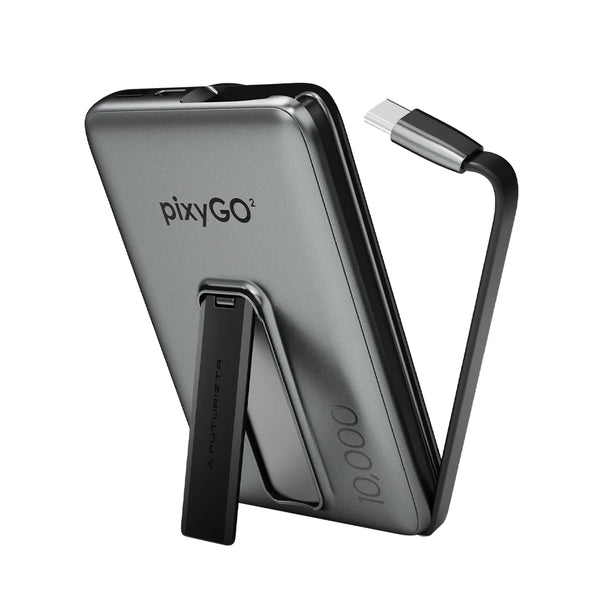
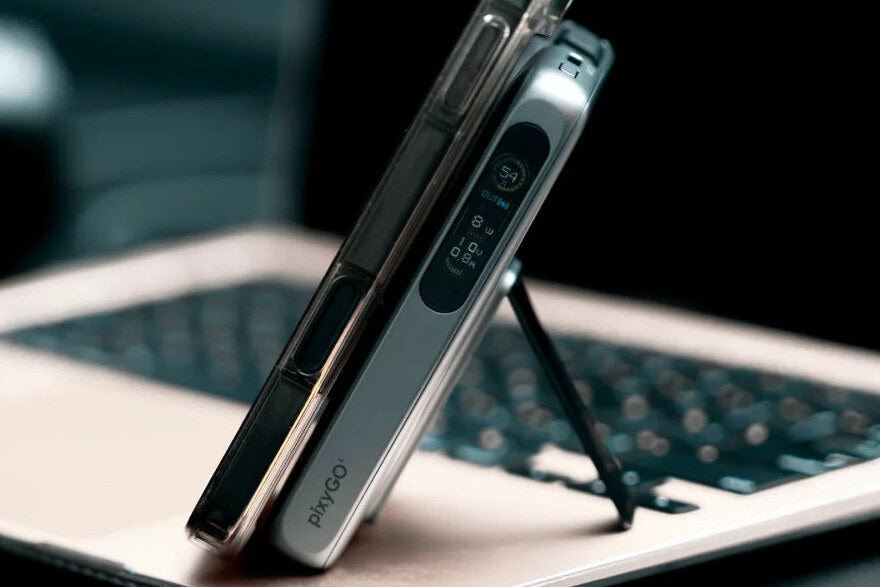
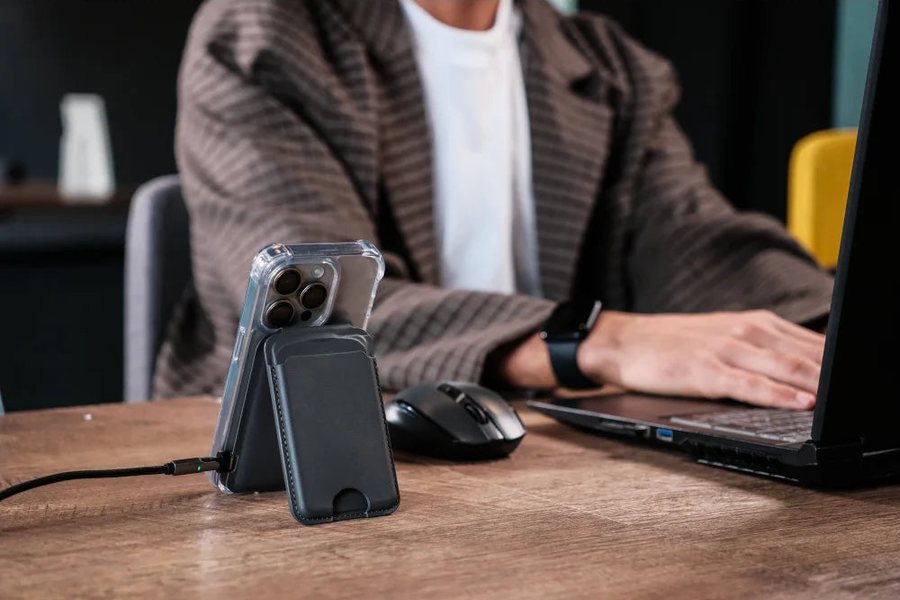
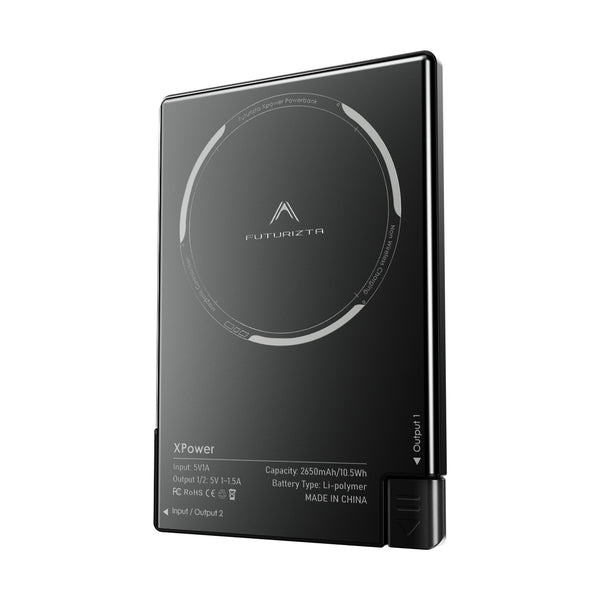
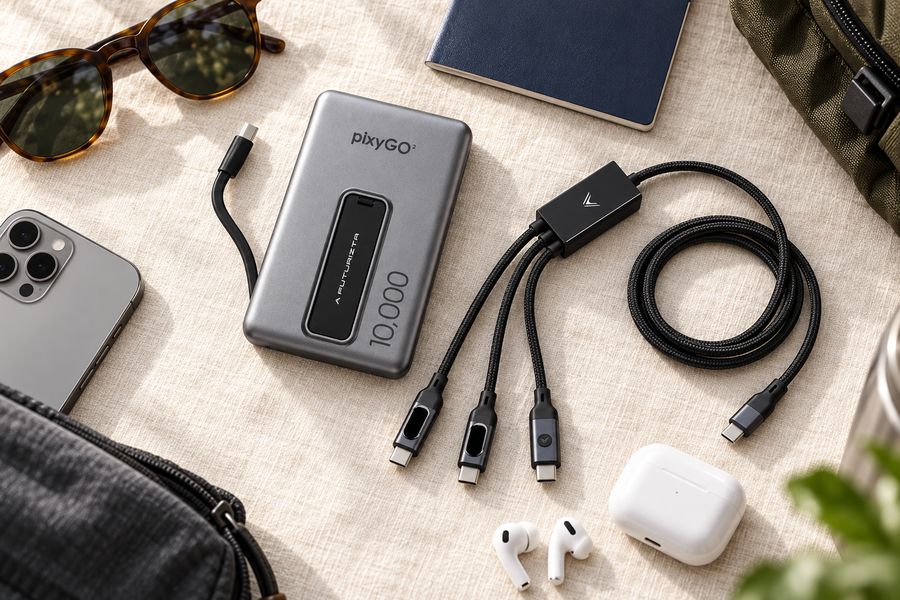
For students embedded in the Apple ecosystem, the Pixy Go 2 MagSafe wireless power bank is the standout pick in 2025. It eliminates the cable-hunting problem entirely: the built-in USB-C cable is always with the device, and MagSafe magnetic attachment lets you wirelessly charge your iPhone while you walk between buildings, sit in a lecture, or use your phone normally — no cable required, no alignment fiddling.
What makes the Pixy Go 2 unusual is that it is not just a wireless power bank — it is a full Apple device charging station in your pocket. While your iPhone charges magnetically on the back, you can simultaneously charge your Apple Watch and AirPods via the 3-in-1 wireless charging system. Your entire Apple carry is topped up from one ultra-slim device.
Pixy Go 2 Technical Specifications
| Capacity | 10,000mAh |
| Wireless Output | 15W MagSafe + Qi wireless |
| Wired Output | 20W USB-C Power Delivery |
| Wireless Device Support | iPhone (MagSafe), Apple Watch, AirPods — simultaneously |
| Built-in Cable | USB-C |
| Display | Smart TFT display |
| Design | Ultra-slim |
Why It Works for Students
- 15W MagSafe wireless — magnetically snaps to iPhone 13 and later, fastest MagSafe output available in a portable bank
- 3-in-1 wireless charging — iPhone, Apple Watch, and AirPods simultaneously, one device
- 20W USB-C PD wired — fast-charges any USB-C device, or cable-charges your iPhone at full rated speed
- Built-in USB-C cable — eliminates the problem of arriving at the library without a cable
- Smart TFT display — shows exact battery percentage, not a vague 4-LED approximation
- 10,000mAh capacity — approximately 2 to 2.5 full iPhone charges per full cycle
- Ultra-slim design — sits flat in a bag pocket without creating a noticeable bulge
The Smart TFT display is worth singling out. Most power banks show battery level with four LED dots, giving you 25% granularity at best. The Pixy Go 2 shows you the actual number — 63%, 41%, whatever it is — so you can make genuinely informed decisions about when to charge, whether to share, and how long you can go before needing a wall point. For students managing power carefully across a 9-hour campus day, that precision changes how you plan.

Best for: iPhone 13/14/15/16 users who want wireless charging on the go and need to keep Apple Watch and AirPods topped up through a full campus day. Also ideal for students who routinely forget their charging cables — the built-in USB-C means that problem no longer exists.
→ Shop the Pixy Go 2 MagSafe Wireless Power Bank
2. Pixy Mini Pro — Best Compact Power Bank for Students Who Travel Light
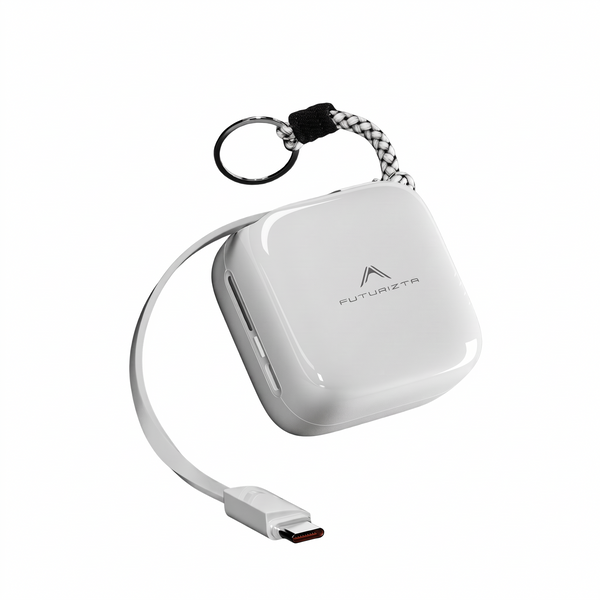
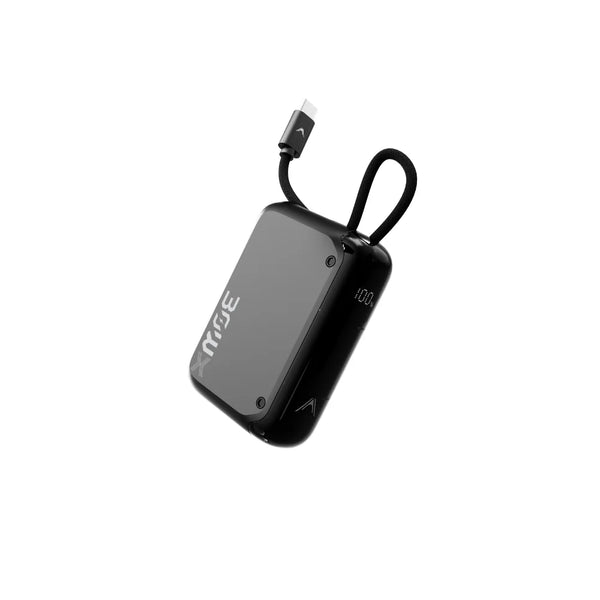
If MagSafe wireless charging is not your priority but you need serious output in the smallest possible body, the Pixy Mini Pro delivers. It puts 30W of USB-C output and a precise LED battery percentage display into a form factor compact enough to sit in a jeans pocket — and at 30W, it is one of the only 10,000mAh power banks that can charge a MacBook Air.
The 30W output is what separates it from the generic banks sold at electronics chains. Most budget power banks top out at 15 to 18W, which charges a modern smartphone slowly and cannot sustain laptop charging at all. At 30W, the Pixy Mini Pro can provide a meaningful MacBook Air top-up — typically 20 to 35% per cycle — which is genuinely useful for a student writing essays in a cafe or library without access to a wall point. The built-in LED display shows exact battery percentage, so you always know where you stand without guessing.
Why It Works for Students
- 10,000mAh in a compact, palm-sized body purpose-built for daily carry
- 30W USB-C output — charges MacBook Air and fast-charges any USB-C smartphone
- LED display showing exact battery % — no more LED dot guesswork
Best for: Android users, students who do not use MagSafe, anyone who wants a lightweight second power bank as a backup, and MacBook Air users who need laptop-capable output without carrying a heavy high-capacity bank.

→ Shop the Pixy Mini Pro 30W Compact Power Bank
3. Hydra Triple USB-C Cable — Best Charging Companion for Group Study Sessions
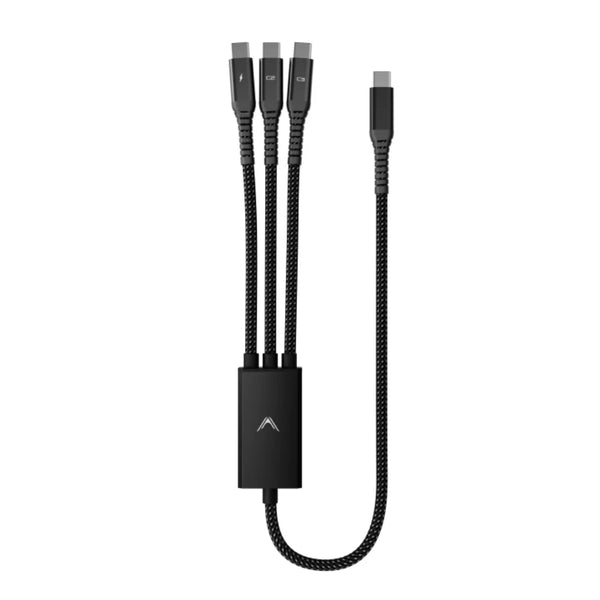
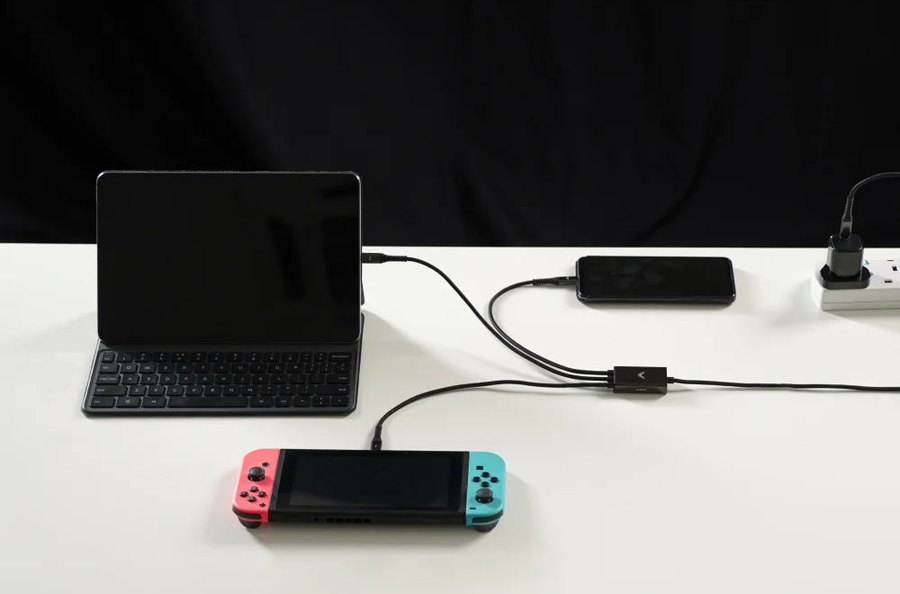
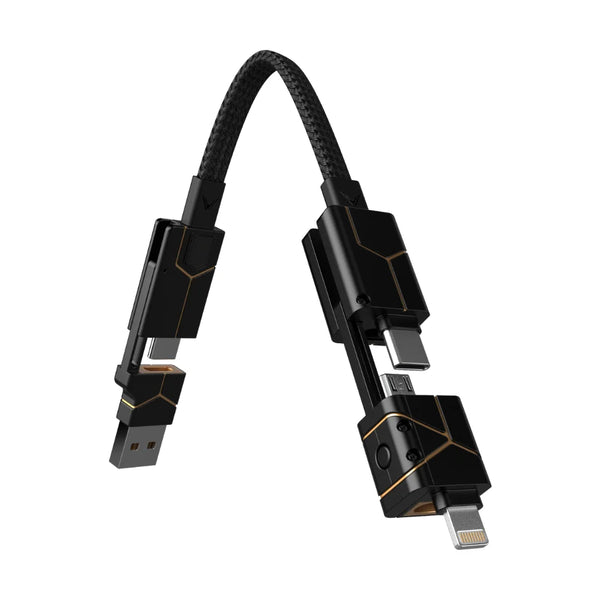
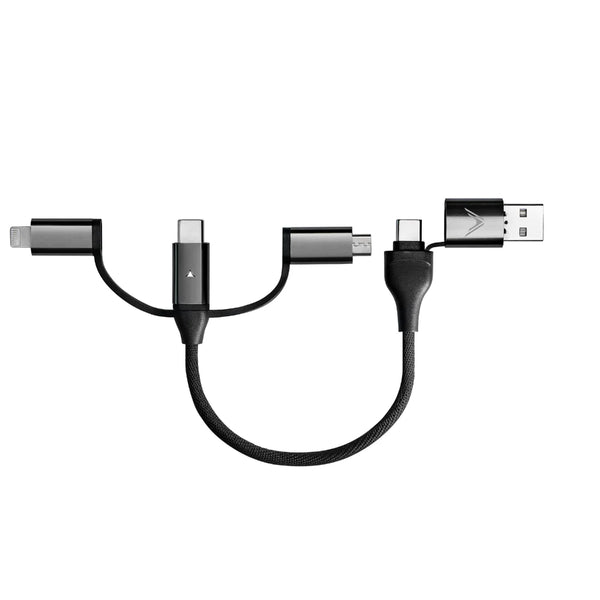
Not strictly a power bank, but arguably more useful in group settings: the Hydra 100W Triple Type-C Cable splits a single USB-C port into three simultaneous connections, each capable of charging a device at the same time. It also features a built-in LED power meter that displays real-time wattage output — so you can see exactly how much power is being distributed across the three branches.
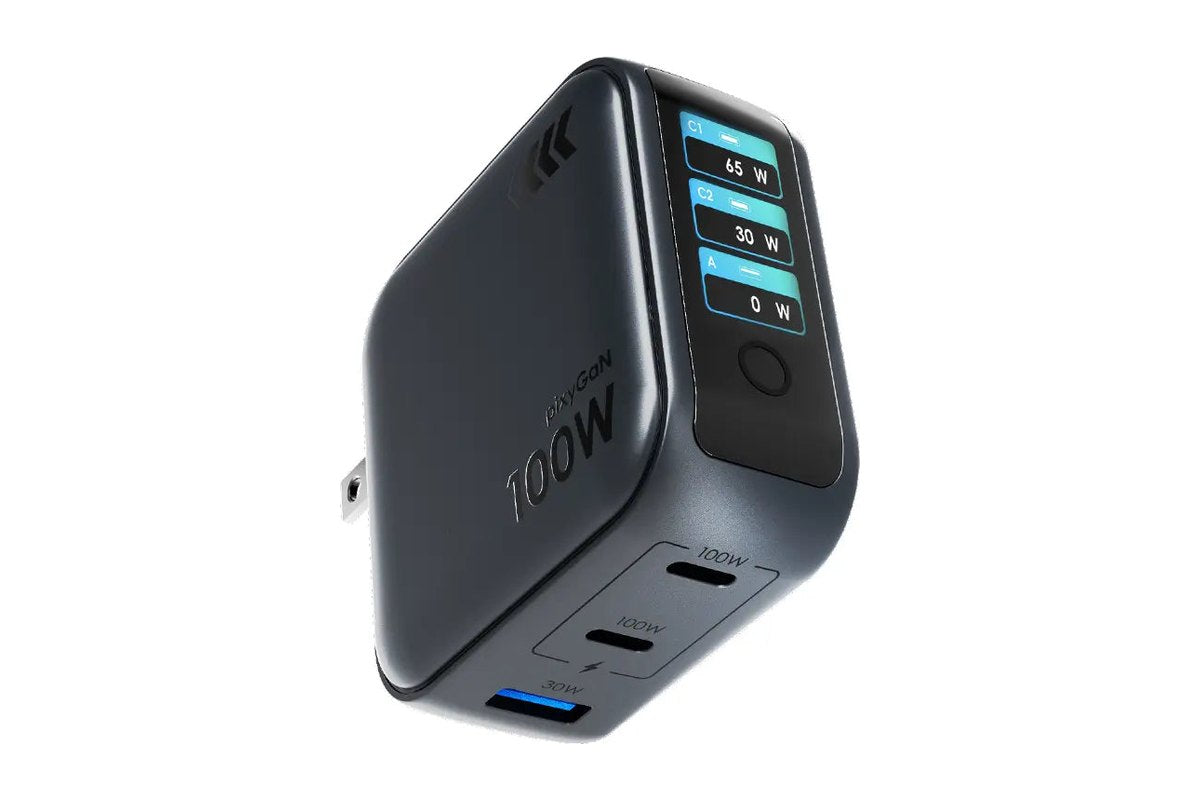
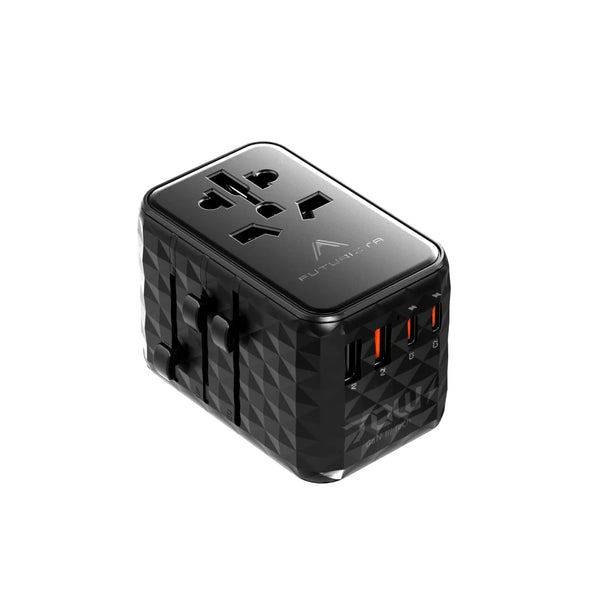
In a group study scenario, this means one GaN charger or power bank can serve three people at once. For individual use, it means plugging a MacBook, iPhone, and tablet into a single port without swapping cables or using a separate hub. At 100W total throughput, it handles demanding multi-device loads that standard single-device cables cannot sustain. Pair it with the Pixy GaN 100W universal travel charger for a complete campus power kit — one charger, three devices, 200+ country support for international students and exchange programs.
Power Bank Buying Guide for Australian College Students
Capacity: How Much mAh Do You Actually Need?
The instinct to buy the highest capacity available misses the most important variable for students: daily portability. A 20,000mAh power bank will charge your phone four times but weighs approximately 380 to 420g — enough to notice after a 10-hour campus day with a full laptop bag. For most students, 10,000mAh is the right balance: approximately 2 to 2.5 full smartphone charges (accounting for real-world conversion losses of 10 to 20%) in a body compact enough to carry without thinking about it. Higher-capacity banks make sense if you travel overnight or need to charge a laptop repeatedly between wall access points. For the standard student day, 10,000mAh is the correct answer.
Output Wattage: Why 20W+ Is the New Minimum Standard
Wattage is where budget power banks most often disappoint students. A 10W output bank charges a modern iPhone 15 Pro at roughly half its capable rate — meaning a 45-minute lecture break delivers 15% charge rather than 30%. For a charge to actually be useful in a gap between classes, you need at minimum 18 to 20W USB-C Power Delivery. The Pixy Go 2's 20W PD wired output charges an iPhone 15 from 0 to 50% in approximately 30 minutes. For MacBook Air charging — which requires sustained delivery above the device's minimum acceptance threshold — you need 30W minimum output. The Pixy Mini Pro is rated at 30W and handles this directly.
Wireless vs Wired: Does MagSafe Actually Matter on a Power Bank?
For iPhone 13 and later users, MagSafe on a portable power bank is genuinely useful rather than gimmicky. The magnetic alignment solves the coil-misalignment problem that made older Qi pads inefficient and unreliable; MagSafe connects at the correct position every time. More usefully for students, the magnet holds the power bank to the back of your phone so you can use it normally — browsing, texting, navigating — while it charges. You are not tethered to a cable. At 15W, MagSafe on the Pixy Go 2 is fast enough to provide a meaningful top-up during any break. If you use Android or an older iPhone without MagSafe support, USB-C PD delivers equal or better wired speed without the additional hardware cost.
Form Factor and Weight: The Most Underrated Factor
The single biggest predictor of whether a student actually uses their power bank daily is whether it feels like a burden to carry. Power banks over 200g or thicker than 15mm consistently end up left on desks or at home because students decide the weight is not worth it. The only power bank that does its job is the one in your bag. Both the Pixy Go 2 and the Pixy Mini Pro are designed around ultra-slim profiles that slide into the flat pocket of a MacBook sleeve or the side pocket of a backpack without creating noticeable bulk. Form factor is not a secondary consideration — it is the primary one for daily-carry use cases.
Display Quality: Percentage vs LED Dots
A four-LED battery indicator shows you one of four states: full, 75%, 50%, or critically low. That 25% granularity is not enough to make useful decisions. A digital percentage display — like the Smart TFT on the Pixy Go 2 and the LED display on the Pixy Mini Pro — shows you exactly where you are. The difference matters most at the end of a long campus day: knowing you have 38% remaining tells you something actionable. Knowing you are "somewhere between two and three dots" does not. If you are going to carry a power bank every day, get one that gives you real information.
Australian Voltage and International Compatibility
All quality power banks accept 100 to 240V input, meaning they charge correctly on Australian 230V power points. Your power bank itself will never need an adapter. The variable is your wall charger: if you travel internationally for exchange programs, study tours, or holidays, your Australian wall adapter will not fit foreign sockets. The Pixy GaN 100W travel charger supports 200+ countries and replaces both your domestic wall charger and any travel adapter — a practical buy for students who move between regions.
Frequently Asked Questions
What is the best power bank for college students in Australia in 2025?
For iPhone users, the Pixy Go 2 is the best overall option — it combines 10,000mAh with 15W MagSafe wireless charging, a built-in USB-C cable, 3-in-1 wireless charging for iPhone, Apple Watch, and AirPods, and a Smart TFT display that shows exact battery percentage. For students who prioritise compactness or use non-Apple devices, the Pixy Mini Pro delivers 30W output in a palm-sized body that can charge a MacBook Air. Both are available at futurizta.com.
How many mAh do I need in a student power bank for Australia?
10,000mAh is the right balance for most students. After real-world conversion efficiency (typically 80 to 90%), a 10,000mAh bank delivers approximately 2 to 2.5 full smartphone charges — enough for a standard campus day. Higher capacities add weight without proportionally more utility for students who return to a room charger each evening. If you also need laptop charging, focus on output wattage (30W minimum for MacBook Air) rather than raw capacity.
Is MagSafe wireless charging on a power bank actually worth it for students?
Yes, for iPhone 13 and later users. MagSafe magnetic alignment eliminates the coil-misalignment inefficiency of older Qi wireless charging and holds the power bank to the back of your phone so you can use it normally while it charges — no cable, no stand, no adjustment needed. The Pixy Go 2 delivers 15W MagSafe output, which is the fastest MagSafe charge speed available in a portable bank, and it simultaneously charges Apple Watch and AirPods via 3-in-1 wireless charging.
Can a 10,000mAh power bank charge a MacBook Air?
Yes — but only if the power bank has sufficient output wattage. A MacBook Air requires sustained delivery above a minimum wattage threshold to charge; most budget power banks output 15 to 18W and will not charge a MacBook at all under active load. The Pixy Mini Pro outputs 30W via USB-C, which is sufficient to charge a MacBook Air and will typically provide a 20 to 35% top-up from a full 10,000mAh charge. Always verify the rated maximum output wattage before purchasing a power bank for laptop charging.
Are power banks allowed on Australian domestic flights and at university?
Power banks up to 100Wh (approximately 27,000mAh at 3.7V nominal voltage) are permitted in carry-on luggage on Australian domestic flights; they are not permitted in checked baggage. A 10,000mAh power bank sits well under this limit. On university campuses there are no restrictions on carrying personal power banks. Always confirm current rules with your specific airline before travel, as aviation regulations are updated independently of general guidelines and can vary by carrier.
The Verdict: Best Power Bank for Australian College Students in 2025
The power bank you actually carry every day is worth more than the one with the most impressive theoretical spec sheet. For Australian college students in 2025, the decision comes down to one clear question: do you want wireless MagSafe charging for your Apple devices, or do you need maximum compactness with laptop-capable wired output?
For iPhone students, the Pixy Go 2 MagSafe Wireless Power Bank is the definitive campus pick — 10,000mAh, 15W MagSafe, 3-in-1 wireless charging for iPhone, Apple Watch, and AirPods, a built-in USB-C cable, and a Smart TFT display showing exact battery percentage. Ultra-slim enough to live in your bag without ever thinking about it.
For students who need 30W MacBook Air charging in the most compact possible form, the Pixy Mini Pro is the right tool — serious output, precise LED display, and a body small enough to carry in a jeans pocket.
Visit the product pages for current pricing and full specifications. Both are available now at Futurizta — upgrade your campus kit before semester starts.


Leave a comment